
How Our Eco Bags Are Made
Complete manufacturing process guide for Indian and international buyers — from raw fiber to finished product, step by step.
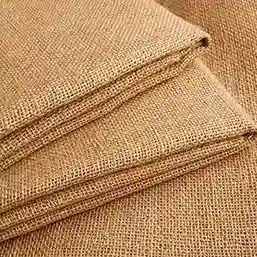
Jute Bags
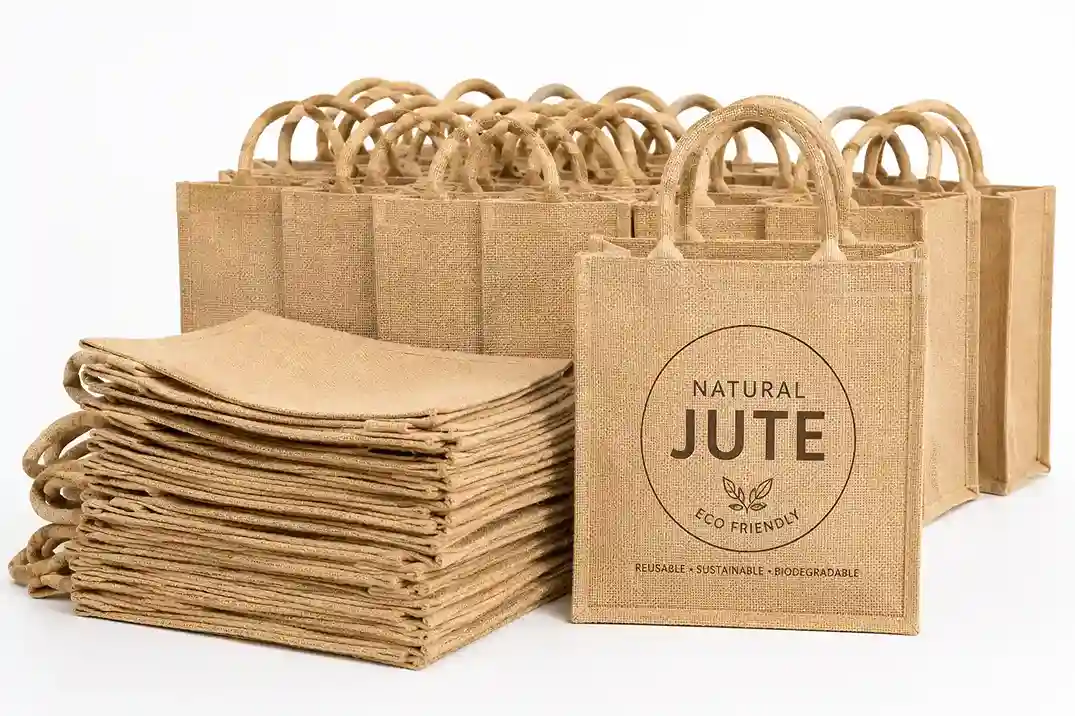
Made from India's "Golden Fiber" — 100% biodegradable, extremely strong, and the world's most sustainable packaging solution. Our Kolkata facility sits in the heartland of global jute manufacturing.
Fully Biodegradable
Decomposes within 1–2 years in natural conditions. Zero microplastic pollution.
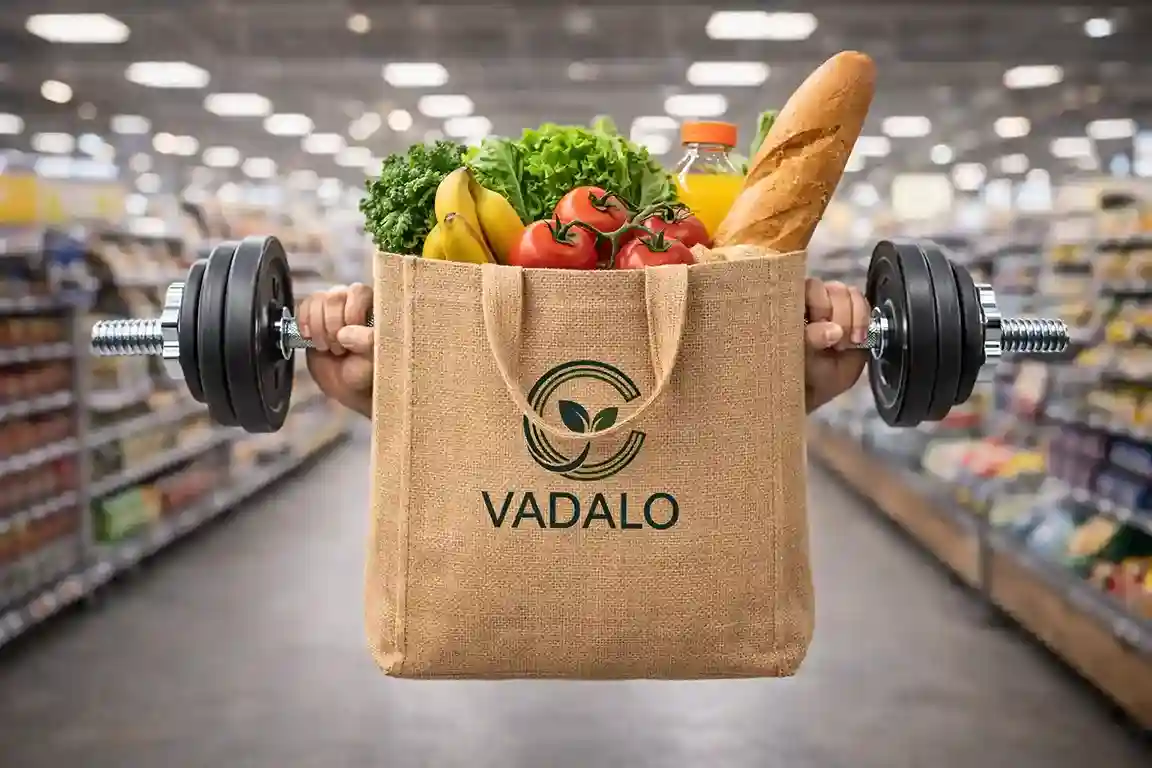
Extremely Strong
Jute fibers are among the strongest natural fibers — handles up to 20 kg loads without tearing.

Sustainable Crop
Grows in 4–6 months, absorbs CO₂, requires no pesticides, enriches soil for next crop.
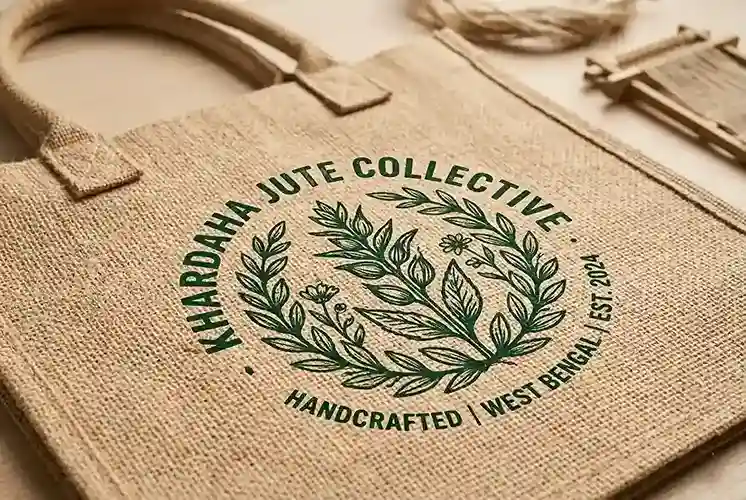
Printable Surface
Accepts screen printing, digital printing, embroidery, foil, and heat transfer branding.
Cost Effective
Most affordable eco bag option for bulk orders — significantly cheaper than cotton or canvas at equal quantity.
Globally Compliant
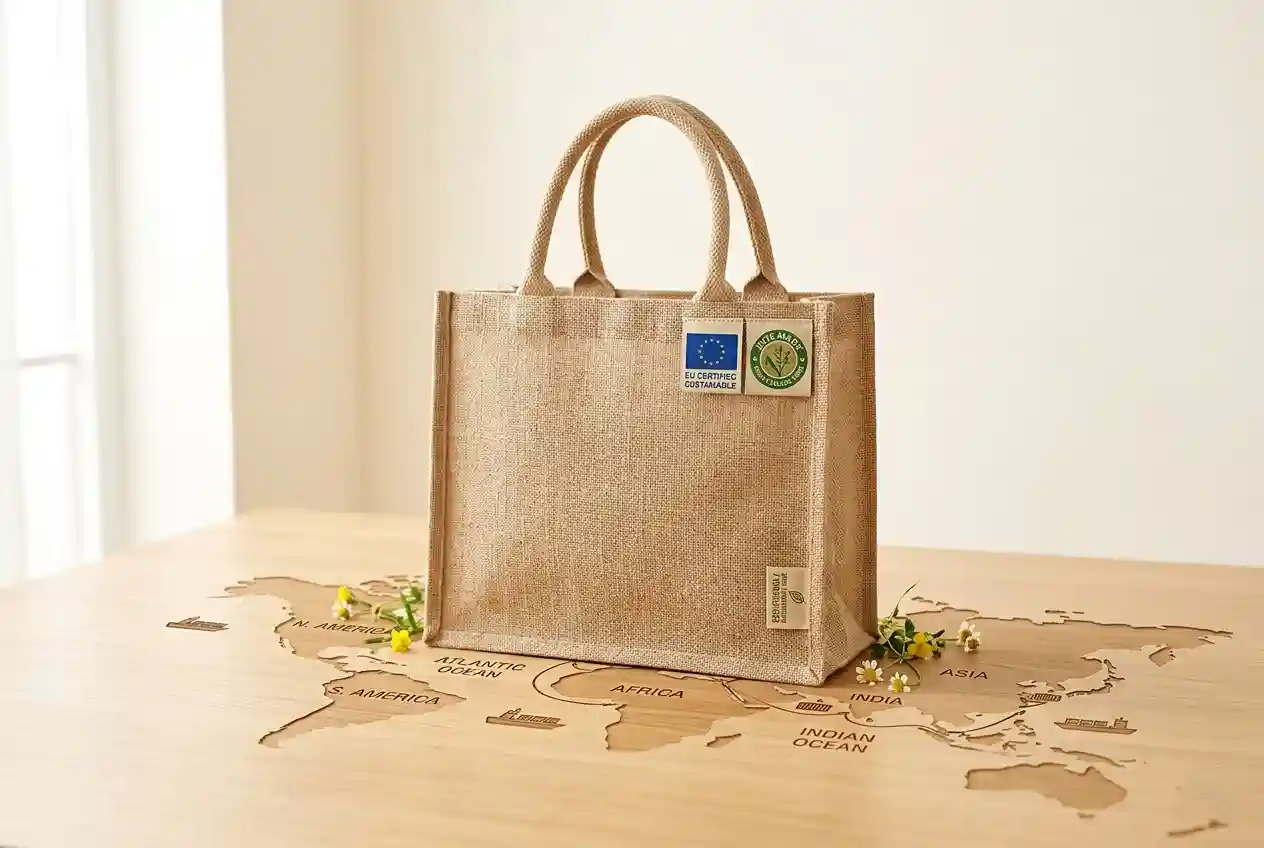
REACH compliant, azo-free dyes, Jute Mark certified — accepted in EU, UK, US markets.
| Fiber Type | Grade | GSM Range | Best Use |
|---|---|---|---|
| White Jute (Corchorus capsularis) | TD-3 to TD-6 | 200–400 GSM | Standard bags, grocery bags |
| Tossa Jute (Corchorus olitorius) | BTR to BTE | 150–350 GSM | Fine quality, softer texture |
| Hessian / Burlap Cloth | Pre-woven | 180–400 GSM | Export tote, wine bags |
| Jute Felt | Compressed | 300–600 GSM | Stiffened, backing bags |
Stage 1Raw Jute Bale → Fabric
▾- Raw jute bales received from JMDC-certified farms in West Bengal and Bangladesh
- Bales opened, moisture tested, and graded by QC inspector
- Fibers softened using emulsion (water + mineral oil) for easier processing
- Carding: Tangled fibers separated into parallel strands (slivers)
- Drawing Frame: Multiple slivers combined into uniform thickness
- Spinning: Slivers twisted into jute yarn on ring or roving frames
- Weaving: Yarn woven into jute fabric on power looms — plain weave (hessian) or twill
- Fabric rolled and sent for GSM quality testing
Stage 2Dyeing & Finishing (Optional)
▾- Grey jute fabric scoured (washed) to remove natural oils and impurities
- Fabric immersed in azo-free dye bath — temperature and pH precisely controlled
- Dye fixation using salt and soda ash for reactive dyes
- Multi-stage washing to remove excess unfixed dye
- Softening agent applied for improved hand feel
- Dried through stenter frame for uniform width control
- QC: Color fastness (ISO 105), GSM, tensile strength tested
Stage 3Cutting
▾- Approved fabric spread in multiple layers on cutting tables
- CAD-generated patterns placed for minimum fabric wastage
- Cutting done by straight-knife machines or die-cutting presses
- Cut panels counted, bundled, and tagged with style, size, and color codes
- Handles / straps cut separately from cotton webbing or jute rope
Stage 4Printing / Branding
▾- Screen Printing: Rubber or water-based inks through mesh screens — best for 1–4 color logos
- Heat Transfer: Full-color digital designs applied via heat press
- Jute Patch: Pre-printed patch stitched or glued on bag front
- Embossing: Logo pressed into fabric surface for premium feel
- Embroidery: Thread-stitched logo — premium quality, long-lasting
Stage 5Stitching & Assembly
▾- Panels stitched on industrial sewing machines (single needle lock stitch)
- Side seams stitched first, then bottom panel attached
- Gusset (box bottom) stitched for flat-base bags
- Handles attached with bar tack reinforcement at minimum 4 points
- Inner lining sewn and inserted if required
- Zippers, magnetic snaps, velcro, or drawstring attached
- All threads trimmed; bag inspected and turned right side out
Stage 6Quality Control & Inspection
▾- 100% visual QC: seams, stitching, print alignment, handle strength
- Dimension check: ±3mm tolerance on all dimensions
- Handle pull test: minimum 15 kg load for 30 seconds per handle
- Print QC: color match against approved Pantone / sample
- Defective bags quarantined for rework or rejection
- AQL 2.5 sampling inspection for large orders
Stage 7Packing & Export
▾- Bags folded flat and poly-bagged individually (on request)
- Packed into 5-ply corrugated export cartons with silica gel for moisture
- Cartons sealed, strapped, and labeled (consignee, GSM, qty, order no.)
- ISPM-15 wooden pallets for FCL shipments (with fumigation certificate)
- Documents prepared: Packing List, Commercial Invoice, BL, COO, Phytosanitary
| Parameter | Standard Range | Custom Options |
|---|---|---|
| Jute Quality | 12×12, 13×13, 14×15 (threads/inch) | Custom weave count |
| GSM Range | 180 GSM to 400 GSM | Custom GSM available |
| Bag Size | W30×H35 to W45×H50 cm | Any custom W×H×D |
| Handle Type | Jute rope, cotton webbing | Leather, bamboo, satin ribbon |
| Closure | Open top (most popular) | Zip, magnetic snap, drawstring |
| Lining | No lining (standard) | Cotton, polyester, PP lamination |
| Screen print (1–4 color) | CMYK, embroidery, foil, puff, glitter | |
| MOQ — India | 200 pieces per design | Negotiable |
| MOQ — Export | 500 pieces per design | Negotiable |
| Sample Lead Time | 5–8 working days | — |
| Bulk Lead Time | 20–35 days after approval | Qty dependent |
| Product | FOB (USD) | Ex-Works (INR) | MOQ |
|---|---|---|---|
| Natural jute tote (unprinted, 13×13) | $0.50 – $0.90 | ₹42 – ₹75 | 1,000 pcs |
| Jute tote with 2-color screen print | $0.80 – $1.30 | ₹67 – ₹110 | 500 pcs |
| Dyed jute bag with cotton lining | $1.20 – $1.80 | ₹100 – ₹150 | 500 pcs |
| Jute wine bag (2 bottle) | $1.00 – $1.60 | ₹84 – ₹135 | 500 pcs |
| Premium jute tote with embroidery | $1.80 – $2.80 | ₹150 – ₹235 | 300 pcs |
| Heavy jute shopping bag (14×15, gusset) | $0.90 – $1.50 | ₹75 – ₹126 | 500 pcs |
Cotton Bags
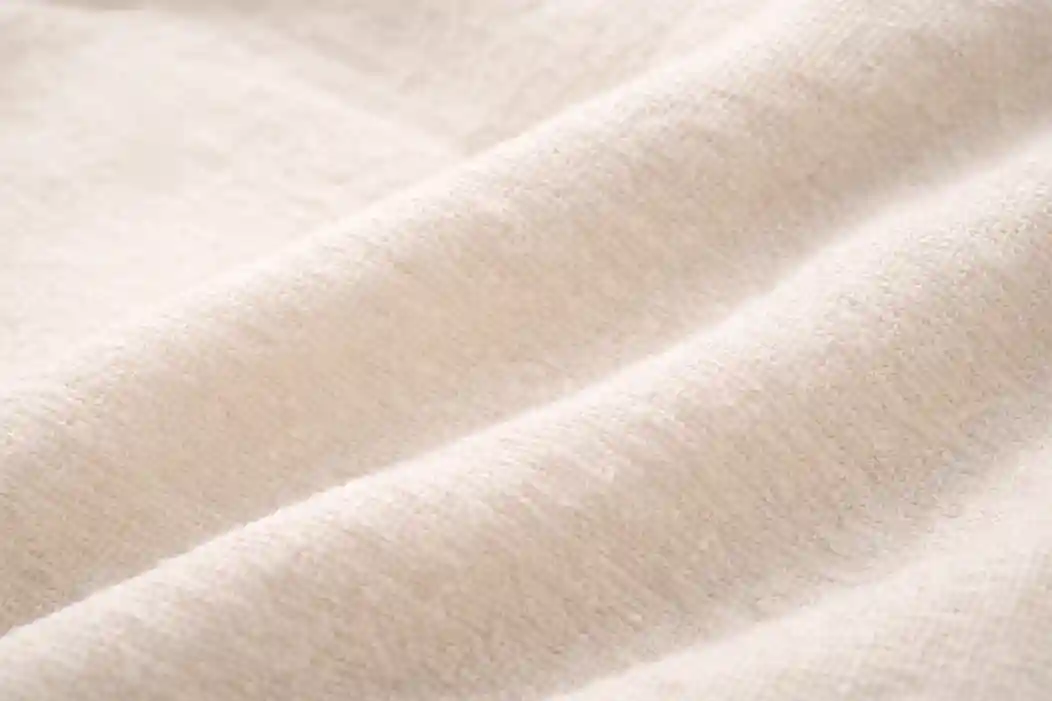
Soft, smooth, and endlessly customizable — cotton bags are the choice for fashion retail, grocery, gifting, and everyday use worldwide. Available in organic, standard, and recycled cotton options.
Machine Washable
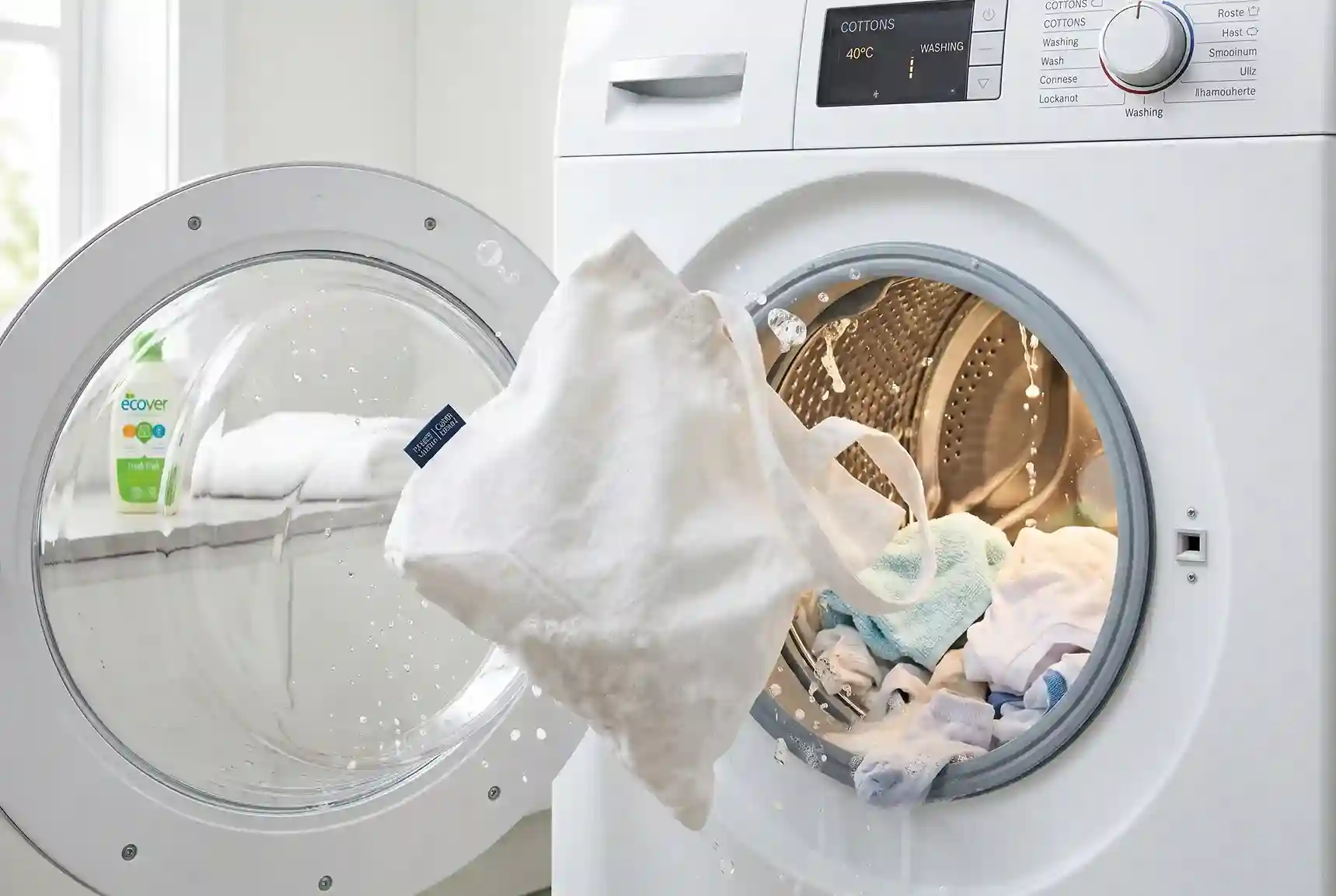
Cotton bags can be washed at 40°C without shrinkage (when pre-shrunk). Ideal for grocery and daily use bags.
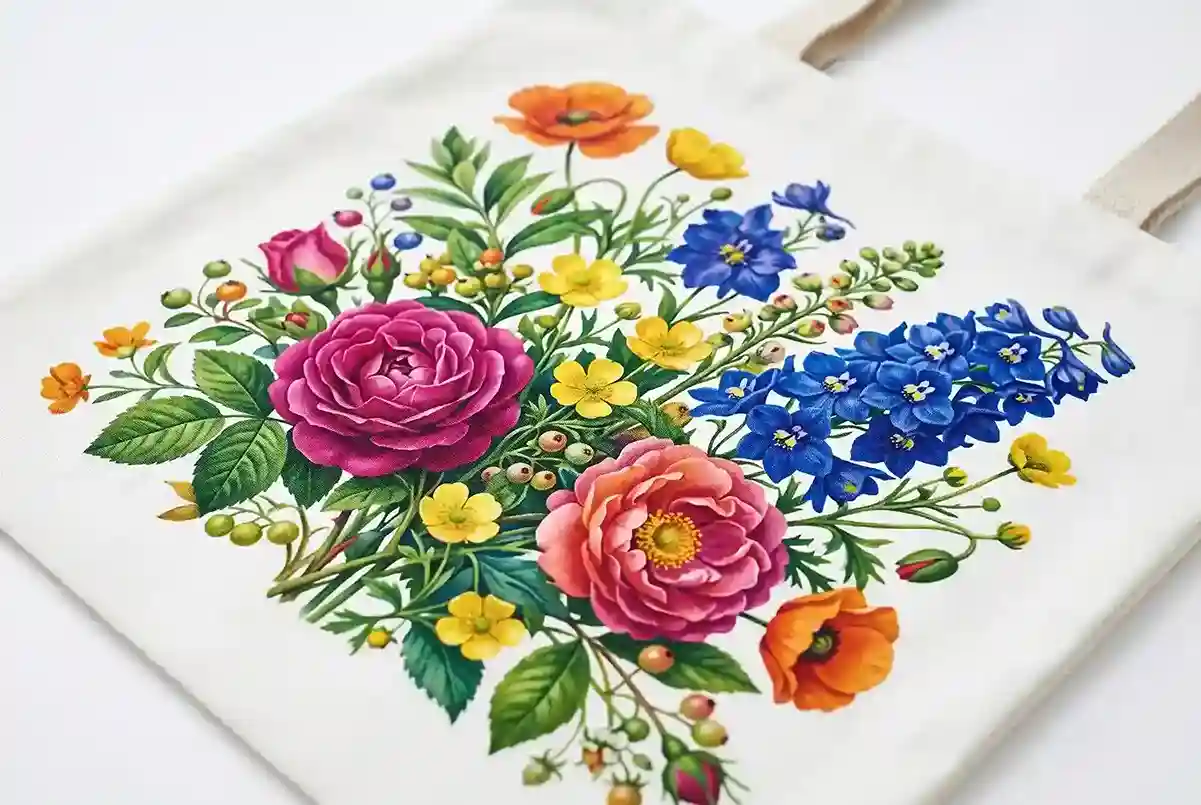
Best Print Surface
The smooth cotton surface accepts the finest printing — CMYK photo quality, gradients, fine details — impossible on jute.
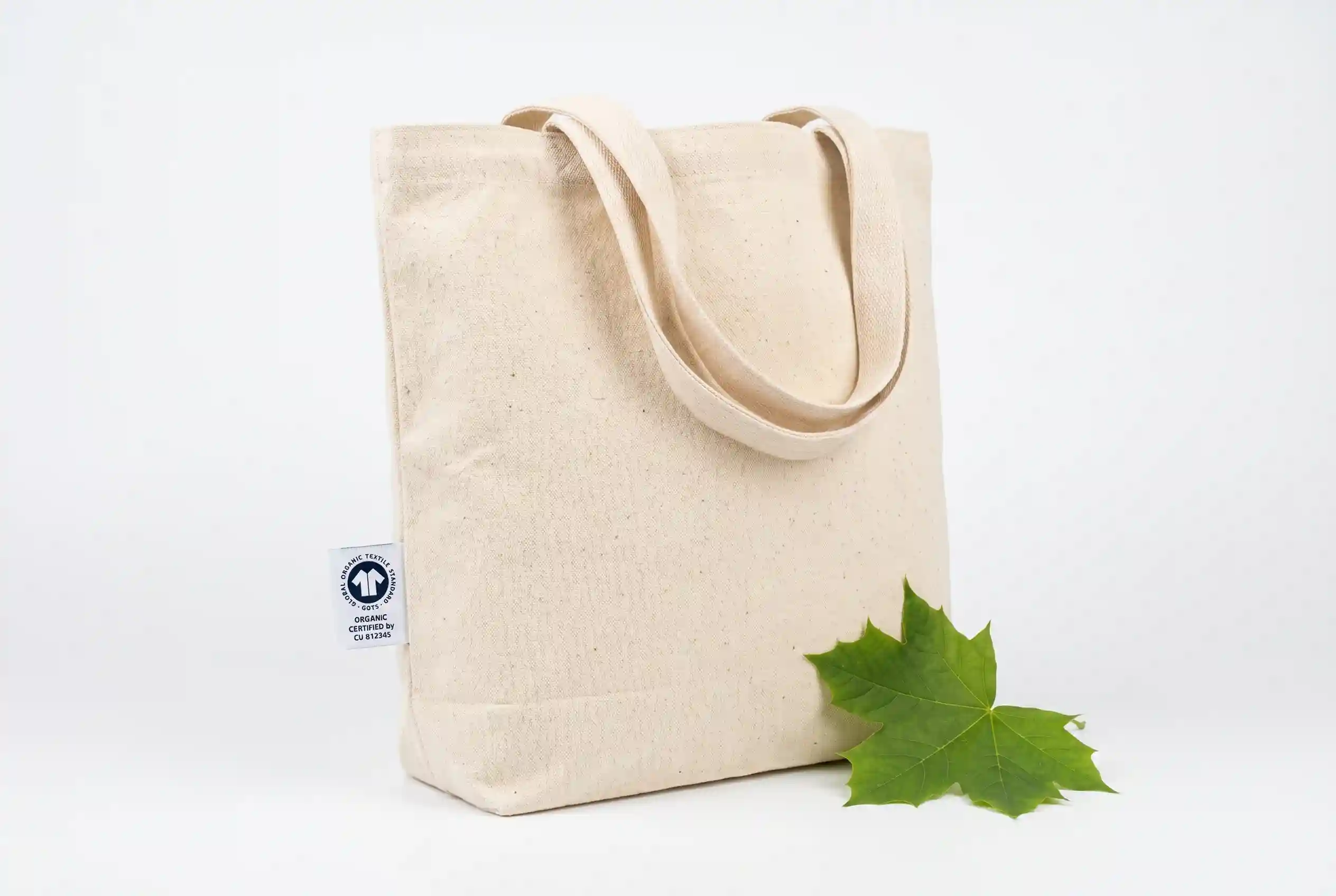
Organic Available
GOTS-certified organic cotton available — meeting the strictest eco-sourcing requirements for European and US buyers.
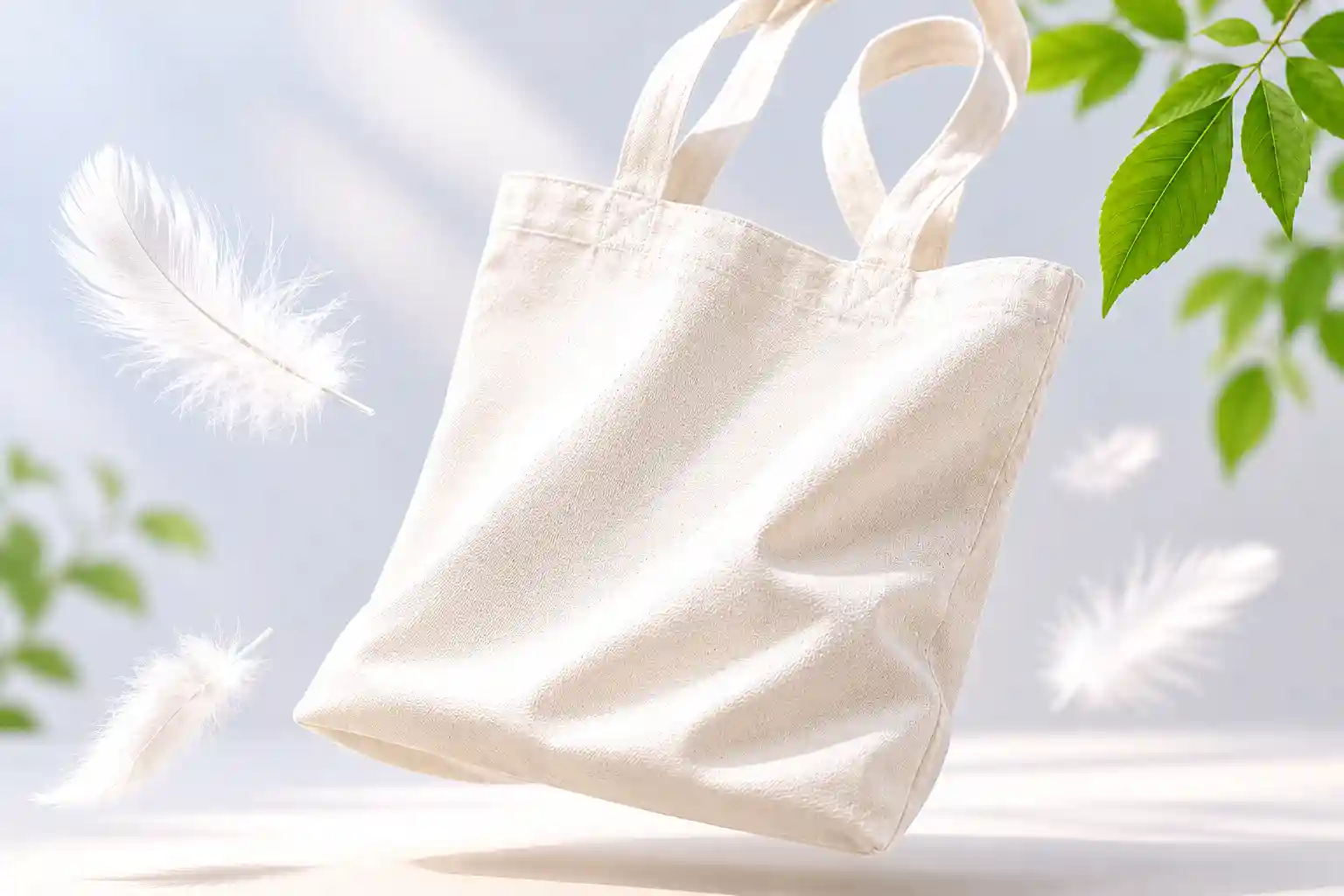
Soft & Lightweight
100–160 GSM cotton bags are feather-light — perfect for retail giveaways, trade shows, and event bags.
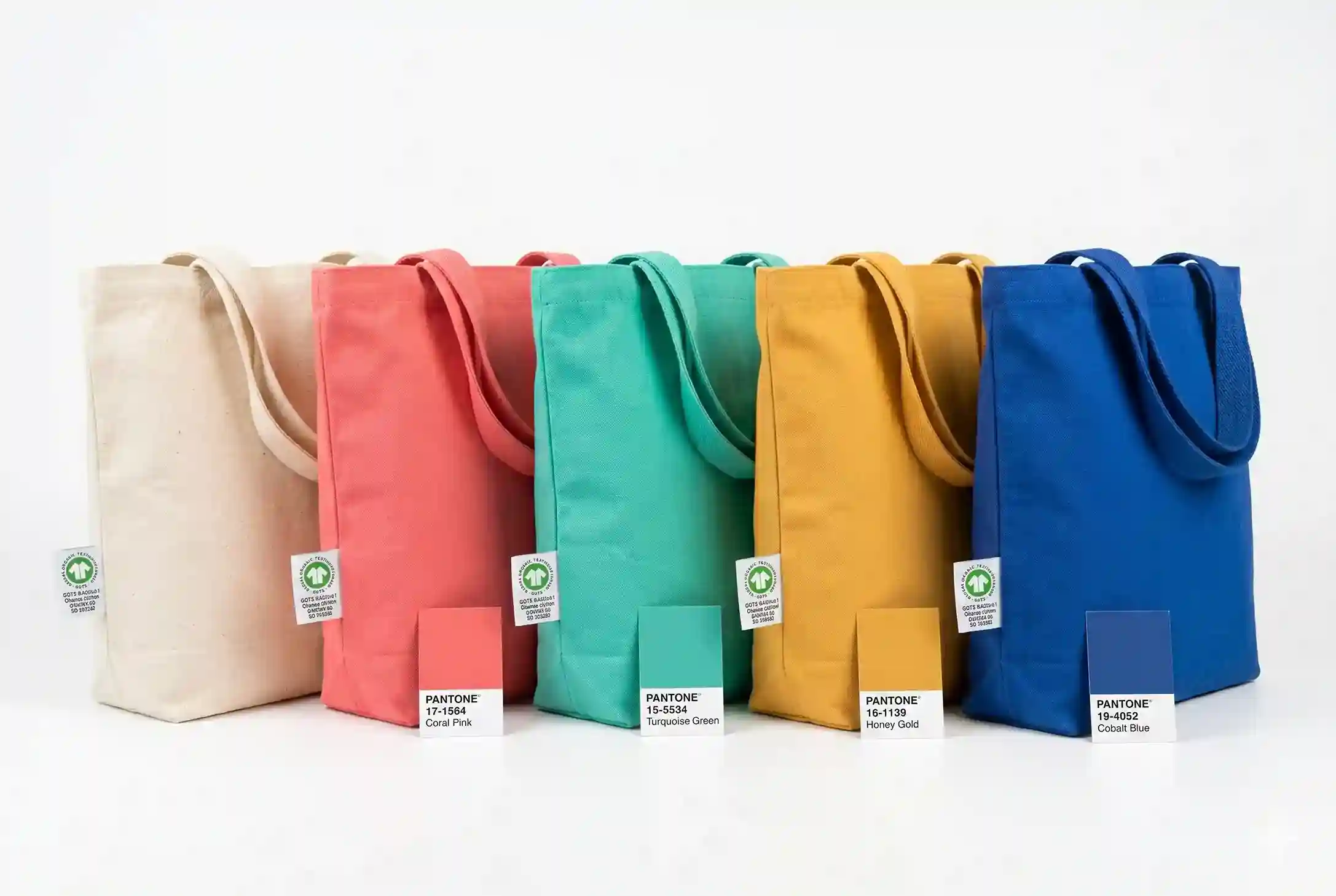
Bleachable
Natural cotton can be bleached to pure white then dyed to any Pantone colour — maximum colour accuracy.
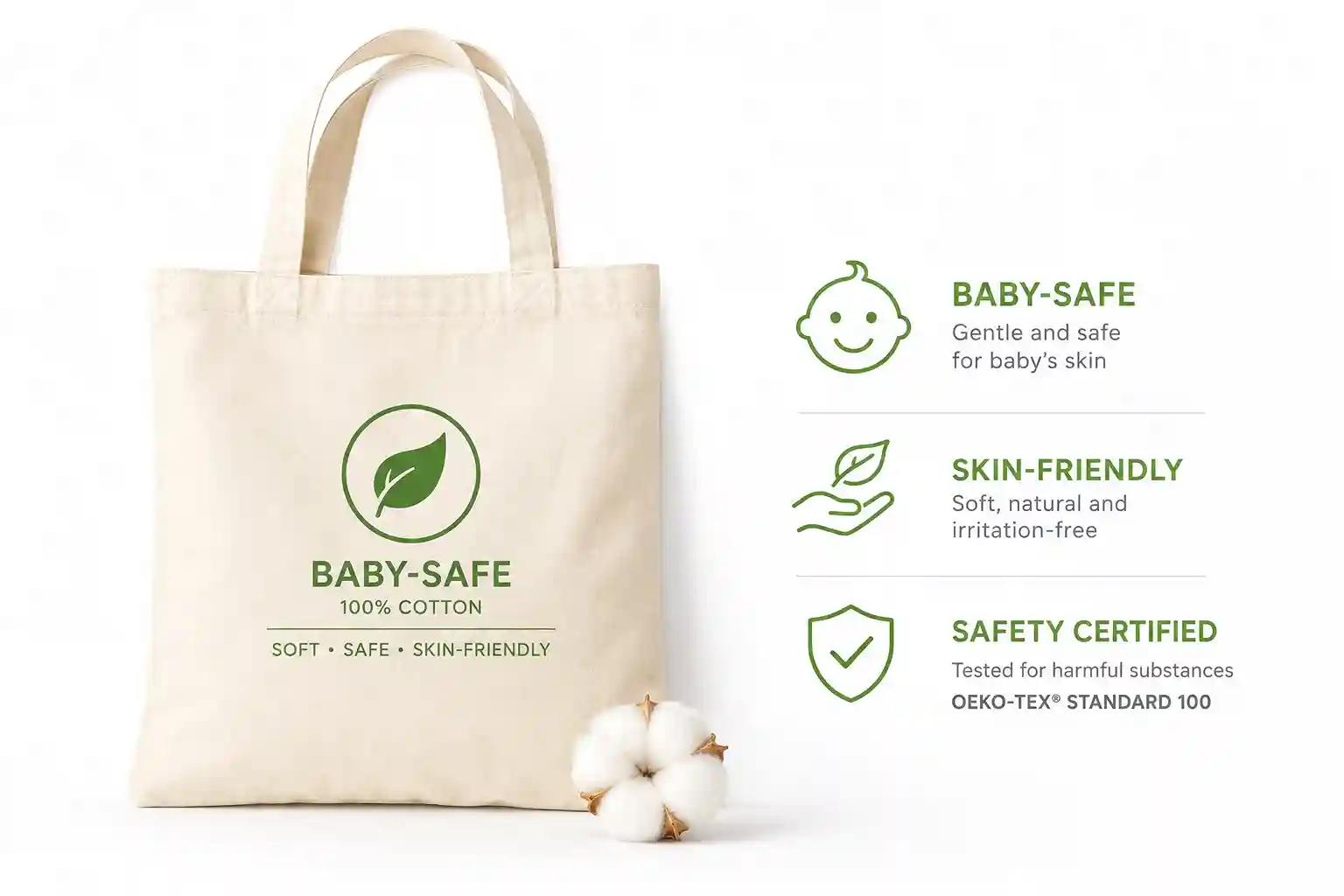
REACH & Oeko-Tex
All cotton bags use REACH-compliant, Oeko-Tex 100 certified dyes — safe for skin contact, babies, and food contact.
| Fabric Type | GSM | Texture | Best Use |
|---|---|---|---|
| Muslin / Mull | 80–120 GSM | Very lightweight, open weave | Drawstring bags, small pouches |
| Calico (unbleached) | 120–160 GSM | Natural cream, slightly coarse | Eco totes, grocery bags |
| Bleached / White Cotton | 140–180 GSM | Smooth white, even weave | Printed bags, fashion totes |
| Dyed Cotton Twill | 160–220 GSM | Diagonal rib, premium feel | Fashion bags, retail |
| Organic Cotton (GOTS) | 140–200 GSM | Natural, undyed or GOTS dyes | Premium eco, baby products |
| Recycled Cotton | 150–200 GSM | Slightly textured, heathered look | Circular economy, GRS certified |
Stage 1Fabric Procurement & IQC
▾- Cotton fabric sourced from certified mills (Gujarat, Tamil Nadu, West Bengal)
- IQC: GSM, thread count, tensile strength, color fastness, shrinkage test
- Pre-shrink test: fabric must show less than 3% shrinkage after washing
- Visual check: no slubs, broken threads, stains, or weave irregularities
Stage 2Dyeing & Finishing
▾- Fabric scoured to remove sizing, oils, and impurities
- Bleached to optical white (for printed bags)
- Piece-dyed with reactive dyes (azo-free, Oeko-Tex certified) — 60°C, 45 min
- Multi-stage washing: hot, warm, cold — removes unfixed dye
- Silicone softener applied — improves hand feel and printability
- QC: ISO 105-C06 wash fastness grade 4+, ISO 105-X12 rub fastness grade 4+
Stage 3Pre-Shrinking (Sanforizing)
▾- Fabric fed through sanforizing machine — compacted mechanically
- Residual shrinkage reduced to less than 3% in both warp and weft
- Prevents bags from shrinking after buyer washing at home
Stage 4Cutting
▾- Auto-spreader lays 20–40 fabric layers on table simultaneously
- CAD-optimized marker placed for minimum waste (less than 8% wastage target)
- Straight-knife cutting; clicker press for small parts (gusset, pocket)
- Cut bundles tagged with style, color, size, and batch code
Stage 5Printing Methods
▾- Screen Printing: Up to 8 colors on flat-bed carousel — ideal for 1–6 colors, high volume
- CMYK / Digital: Photo-quality print on bleached cotton — no color limit, short runs possible
- Embroidery: Premium 3D stitched logo — most durable, best for corporate and luxury bags
- Sublimation: All-over photo-quality print on polyester-cotton blends
- Heat Transfer: Complex multicolor transfers applied by heat press
Stage 6Stitching & Assembly
▾- 1-needle and 2-needle lock stitch machines — 10–12 SPI for cotton bags
- Side and bottom seams; gusset stitched if box-bottom bag
- Handles sewn — reinforced bar-tack stitching at attachment points
- Inner pockets, dividers, zipper sections added as per spec
- Closures (zip, magnetic snap, velcro) installed
- Woven label, hang tag sewn inside bag
Stage 7QC & Export Packing
▾- 100% visual inspection: seams, print, handles, closures, labels
- Measurement check: ±3mm tolerance on all critical dimensions
- Handle strength: 15 kg pull test per handle point
- AQL 2.5 pre-shipment inspection for orders over 3,000 pcs
- Folded, poly-bagged, and packed in 5-ply export cartons
- Documents: Packing List, Commercial Invoice, BL, COO, Test Reports
| Parameter | Standard Range | Custom Options |
|---|---|---|
| Fabric Weight (GSM) | 100 to 280 GSM | Custom weight available |
| Bag Size | W30×H35 to W42×H48 cm | Any custom W×H×D |
| Handle Type | Cotton webbing (2.5 cm / 3.8 cm) | Rope, leather, chain |
| Closure | Open top, zip, drawstring | Magnetic snap, button |
| Print Method | Screen, CMYK, embroidery | Sublimation, heat transfer |
| Lining | No lining (standard) | Cotton or polyester lining |
| MOQ — India | 200 pieces per design | Negotiable |
| MOQ — Export | 300 pieces per design | Negotiable |
| Sample Lead Time | 5–8 working days | — |
| Bulk Lead Time | 20–30 days after approval | Qty dependent |
| Product | FOB (USD) | Ex-Works (INR) | MOQ |
|---|---|---|---|
| Calico tote bag (140 GSM, unprinted) | $0.60 – $1.00 | ₹50 – ₹84 | 500 pcs |
| Bleached cotton tote with CMYK print | $0.90 – $1.50 | ₹75 – ₹126 | 300 pcs |
| Organic cotton tote (GOTS, natural) | $1.50 – $2.20 | ₹126 – ₹185 | 300 pcs |
| Cotton drawstring bag (120 GSM) | $0.40 – $0.75 | ₹34 – ₹63 | 500 pcs |
| Heavy cotton bag (220 GSM) with inner pocket | $1.80 – $2.80 | ₹150 – ₹235 | 300 pcs |
| Cotton bag with embroidery logo | $1.50 – $2.50 | ₹126 – ₹210 | 300 pcs |
Juco Bags
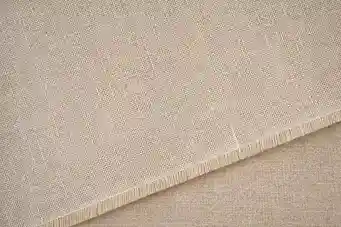
Juco combines the eco-credentials of jute with the smooth printability and softness of cotton. The result: a premium-looking bag that is still 100% natural and sustainable.
| Property | Jute | Juco (Jute+Cotton) | Cotton |
|---|---|---|---|
| Surface Texture | Coarse, natural | Smooth, refined | Very smooth |
| Printability | Good (screen only) | Excellent | Excellent (CMYK ok) |
| Eco Credentials | Highest | High | High (organic) |
| Strength | Very high | High | Medium-high |
| Price | Lowest | Mid-range | Low-mid |
| Premium Appeal | Rustic/natural | Refined/premium | Clean/versatile |
| Blend Ratio | GSM | Properties | Best For |
|---|---|---|---|
| 70% Jute + 30% Cotton | 200–240 GSM | More eco, slightly coarser | Standard juco totes |
| 55% Jute + 45% Cotton | 220–260 GSM | Balanced — most popular blend | Premium totes, retail bags |
| 40% Jute + 60% Cotton | 240–280 GSM | Smoother, more cotton feel | Fashion bags, luxury gifting |
Stage 1Juco Yarn Blending & Weaving
▾- Jute fibers and cotton fibers blended at the yarn spinning stage (not fabric blending)
- Blended yarn spun on ring-spinning frames at precise blend ratio
- Yarn woven on rapier looms into juco fabric — plain or herringbone weave
- Fabric GSM checked: minimum ±5% tolerance from specification
- Fabric rolled and stored in humidity-controlled warehouse
Stage 2Dyeing (Two-Bath Process)
▾- Juco requires a two-bath dyeing process — jute and cotton fibers take up dye differently
- First bath: reactive dyes for cotton component at 60°C
- Second bath: vat or direct dyes for jute component
- Multi-stage washing — ensures level dyeing on both fiber types
- Softener applied — improves hand feel and printability dramatically
- QC: wash fastness, rub fastness, GSM, dimension checked
Stage 3Cutting
▾- Fabric spread 20–30 layers; cutting done with straight-knife or die press
- CAD marker for minimum fabric wastage
- Handles cut from juco webbing, cotton rope, or leather strips
Stage 4Printing on Juco
▾- Screen Printing: Excellent on juco — clean edges, up to 6 colors
- CMYK / Digital: Possible on finely woven juco (55/45 or 40/60 blend)
- Embroidery: Premium 3D stitching — very popular on juco for luxury brands
- Foil Stamping: Gold or silver foil — perfect for gifting and premium retail
Stage 5Stitching, QC & Export
▾- Industrial sewing — 10–12 SPI for juco bags
- All handle attachment points double-bar-tacked
- 100% visual QC; handle pull test 15 kg per point
- AQL 2.5 pre-shipment inspection
- Packed in 5-ply export cartons with silica gel
| Product | FOB (USD) | Ex-Works (INR) | MOQ |
|---|---|---|---|
| Natural juco tote (unprinted) | $1.10 – $1.60 | ₹90 – ₹135 | 1,000 pcs |
| Dyed juco tote with 2-color screen print | $1.60 – $2.20 | ₹135 – ₹185 | 1,000 pcs |
| Juco bag with cotton lining + zipper | $2.50 – $3.50 | ₹210 – ₹295 | 500 pcs |
| Organic juco tote (natural organic) | $2.20 – $3.20 | ₹185 – ₹270 | 500 pcs |
| Premium juco bag with embroidery | $3.50 – $5.50 | ₹295 – ₹460 | 500 pcs |
Canvas Bags
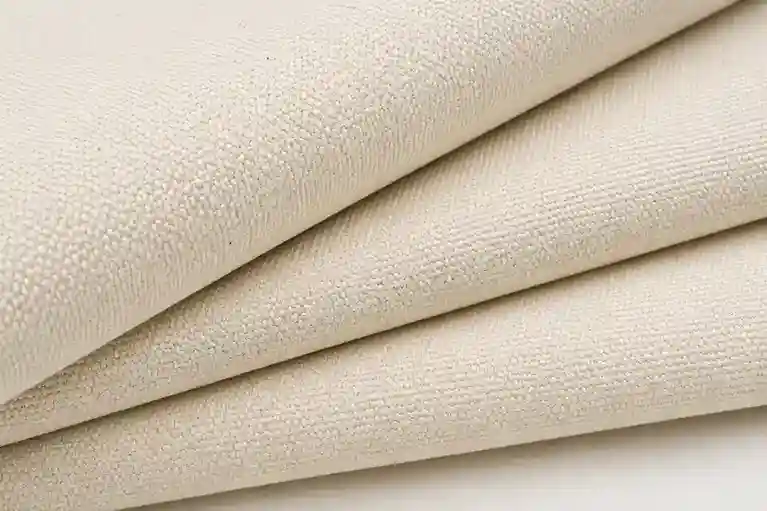
Heavy-duty, timeless, and built to last decades. Canvas (heavy-weight plain-weave cotton duck) is available in natural, dyed, waxed, stone-washed, and enzyme-washed finishes.
| Duck Number | Weight (oz) | GSM | Ideal Use |
|---|---|---|---|
| #12 Duck | 7 oz | 200 GSM | Light totes, promo bags |
| #10 Duck | 8 oz | 230 GSM | Standard tote bags |
| #8 Duck | 10 oz | 280 GSM | Shopping, market bags |
| #6 Duck | 12 oz | 340 GSM | Heavy-duty, tool bags |
| #4 Duck | 14 oz | 400 GSM | Workwear, military bags |
| #1 Duck | 18 oz | 510 GSM | Industrial, military grade |
Waxed Canvas
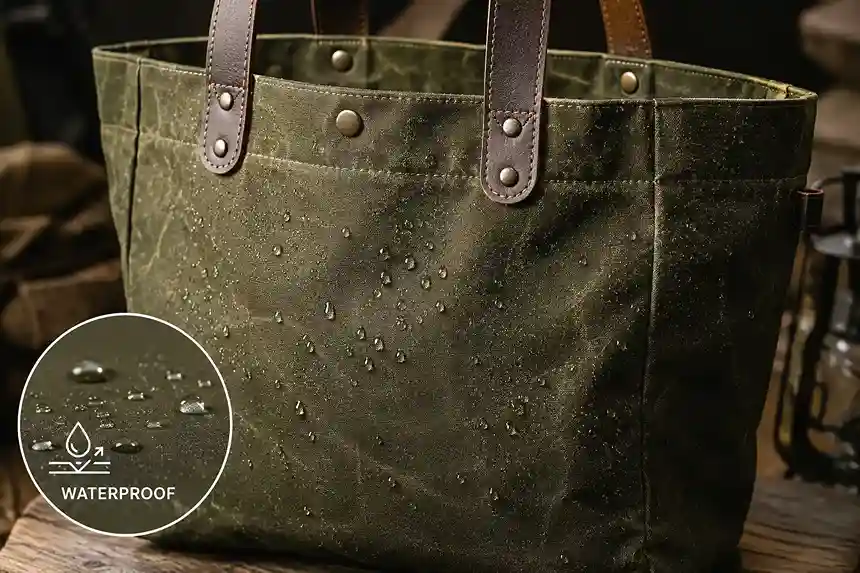
Paraffin or beeswax coating for full waterproofing — hugely popular in US/EU outdoor and adventure segment.
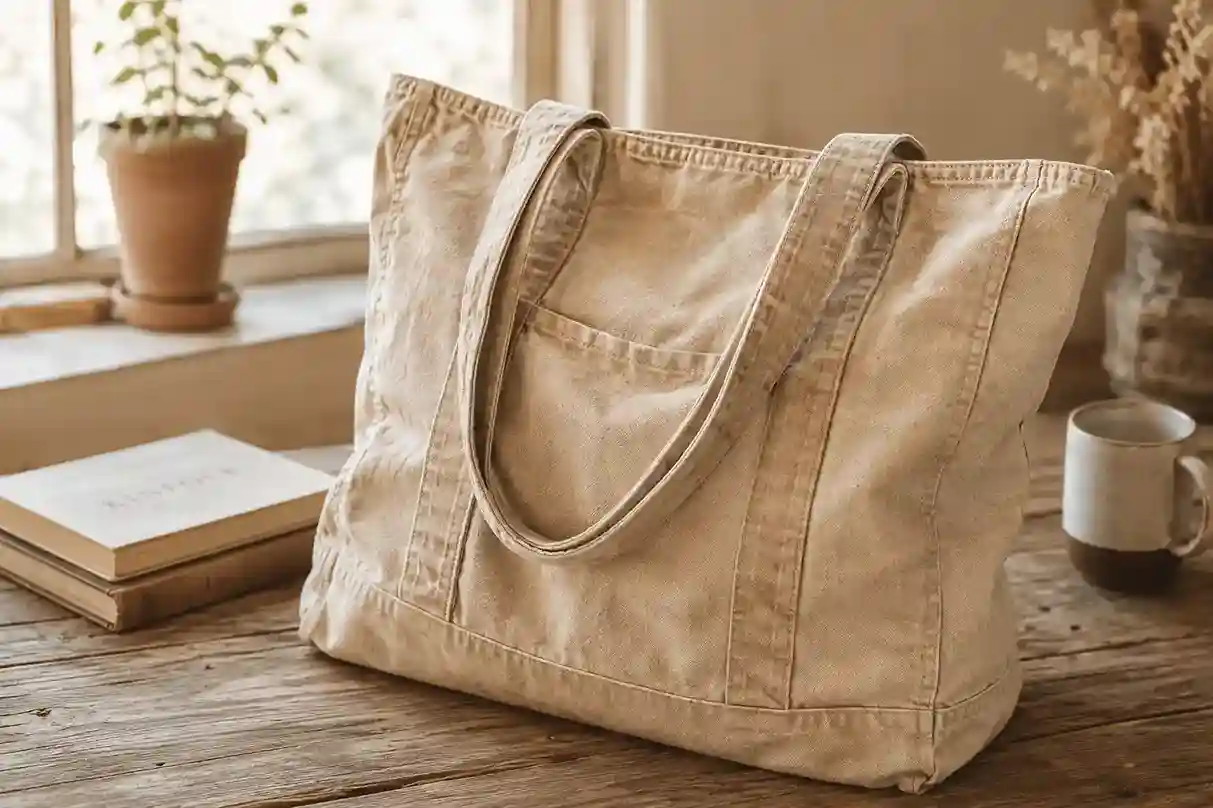
Stone Washed
Pre-washed with pumice stones for a soft, vintage, worn-in look — loved by Japanese buyers and fashion brands.
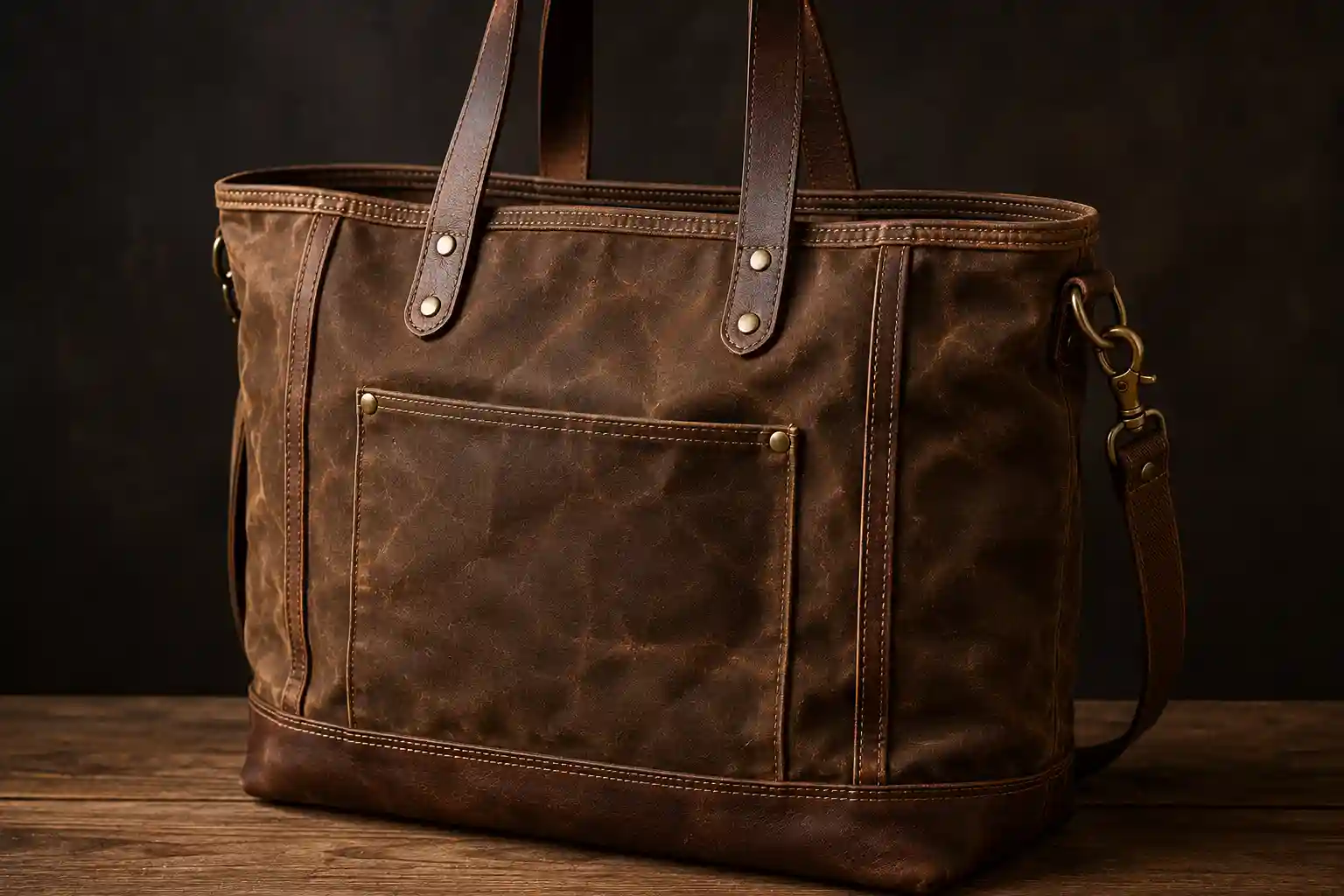
Oil Tanned
Oil-treated canvas for a leather-like rugged appearance — used in premium workwear and heritage bags.
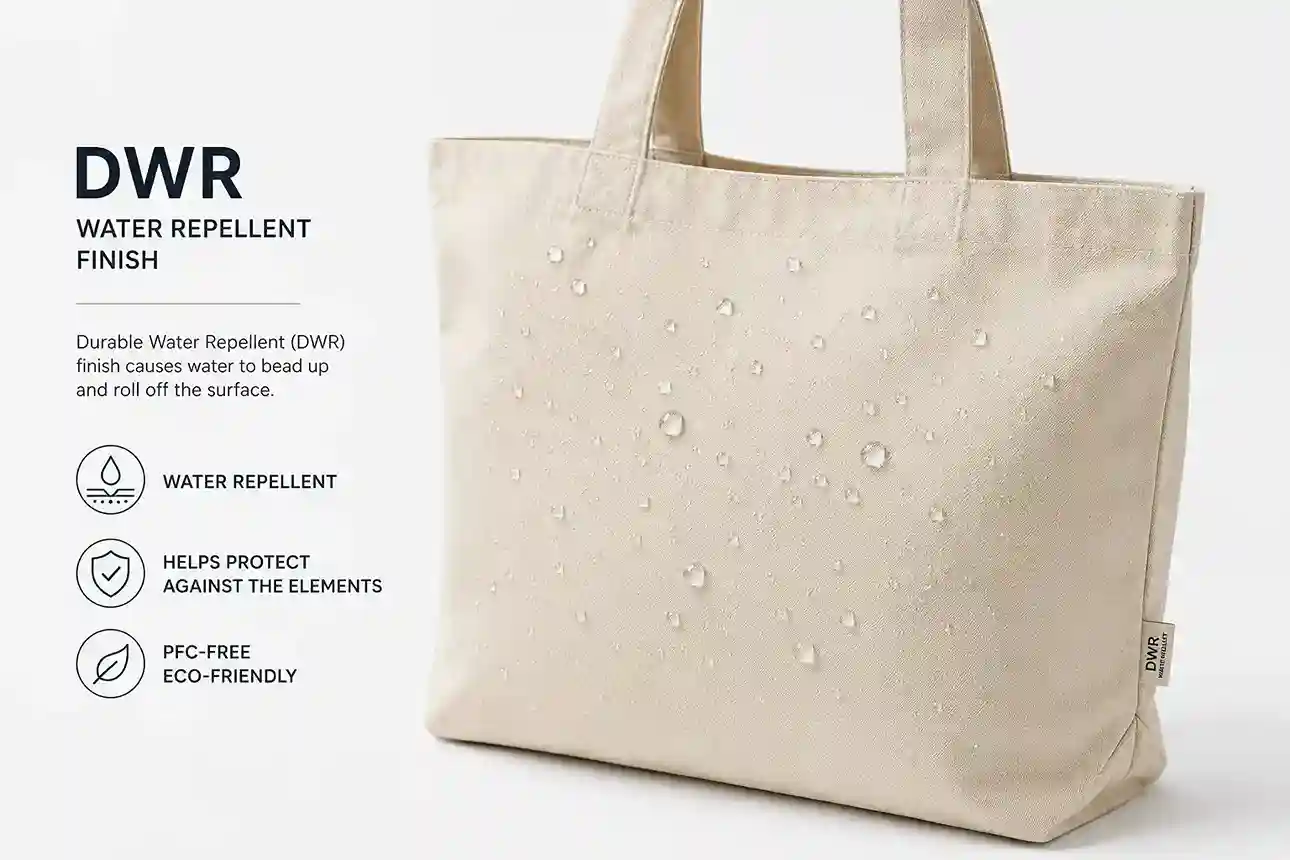
DWR Finish
Durable water-repellent coating (PFAS-free available) — water-resistant without heavy wax treatment.
Stage 1Fabric Procurement & IQC
▾- Canvas fabric received from mills in Gujarat, Coimbatore, or Kolkata
- IQC: GSM, thread count, tensile strength (ASTM D5034), tear strength (ASTM D1424)
- Shrinkage test: pre-shrunk canvas must show less than 3% shrinkage
- Visual check for weave defects, slubs, holes — defective rolls returned
Stage 2Dyeing & Finishing
▾- Canvas scoured in jigger or beam dyeing machine — removes sizing agents
- Piece dyeing with reactive dyes at 60–80°C for 45–60 minutes
- Salt and alkali fixation — multi-stage hot and cold washing
- Silicon softener for hand feel; stentering for width control
- Sanforizing (compacting) — pre-shrunk to less than 3% residual shrinkage
- QC: ISO 105-C06 wash fastness, ISO 105-X12 rubbing fastness — grade 4+ minimum
Stage 3Cutting & Printing
▾- Auto fabric spreader — 20 to 40 layers; carefully controlled for canvas
- Straight-knife or band-knife cutting; clicker press for small repetitive parts
- Screen Printing: Up to 8 colors, large area flat-bed screens — best canvas result
- Discharge Printing: Removes canvas dye for white/light print on pigment-dyed canvas
- DTG: Photographic quality on pre-treated canvas panels
- Leather Patch: Embossed/debossed patch sewn on bag front for premium branding
Stage 4Heavy-Duty Stitching
▾- Walking foot industrial sewing machines — handles multiple thick canvas layers
- Bonded nylon or polyester thread (T-70 to T-135) — 7–9 SPI
- Side seams flat felled (double folded) — no exposed raw edges, maximum strength
- Bottom box seam for load-bearing base construction
- Handles: 3.8–5 cm webbing, bar-tacked with box-X stitch pattern
- Hardware (D-rings, buckles, rivets) attached with industrial rivet press
- All stress points double bar-tacked: handles, zipper ends, pocket openings
Stage 5QC Testing & Export
▾- 100% visual QC: all seams, hardware, print, zipper, closures checked
- Handle pull test: minimum 25 kg static load for 60 seconds
- Zipper operation: 500 open-close cycles without failure
- Seam strength: ASTM D1683 — minimum 15 kg seam breaking strength
- Hardware corrosion: 48-hour salt spray test (ISO 9227)
- AQL 2.5 pre-shipment inspection; third-party available on request
- Documents: Invoice, Packing List, B/L, COO, Test Reports
| Parameter | Standard Range | Custom Options |
|---|---|---|
| Canvas Weight | 8 oz (230 GSM) to 16 oz (455 GSM) | Custom weight |
| Bag Size | 12×14 inch to 22×26 inch | Any custom size |
| Handle Type | Cotton webbing (3.8 cm / 5 cm) | Leather, rope, chain |
| Closure | Open top, Zip, Drawstring | Roll-top, Buckle, Snap |
| Hardware Finish | Natural brass, Antique copper | Gunmetal, Nickel, Black |
| Print Method | Screen print, DTG, Discharge | Leather patch, Emboss |
| Special Finish | Natural, Dyed, Waxed, Stone-washed | Enzyme wash, DWR coat |
| MOQ Domestic | 300 pieces per style | Negotiable |
| MOQ Export | 500 pieces per style | Negotiable |
| Sample Lead Time | 7–10 working days | — |
| Production Lead Time | 25–40 days after approval | Qty dependent |
| Product | FOB (USD) | Ex-Works (INR) | MOQ |
|---|---|---|---|
| 8 oz canvas tote (natural, unprinted) | $1.00 – $1.50 | ₹84 – ₹126 | 500 pcs |
| 10 oz canvas tote with screen print | $1.50 – $2.20 | ₹126 – ₹185 | 500 pcs |
| 12 oz waxed canvas tote bag | $3.50 – $5.50 | ₹295 – ₹460 | 300 pcs |
| Stone-washed canvas fashion tote | $2.50 – $3.80 | ₹210 – ₹320 | 300 pcs |
| Heavy canvas tool bag / workbag | $4.00 – $7.00 | ₹336 – ₹588 | 200 pcs |
| Premium canvas backpack (14 oz) | $8.00 – $15.00 | ₹672 – ₹1,260 | 200 pcs |
Ready to Place Your Order?
Share your requirements — size, quantity, branding, destination — and we will send you a formal quotation within 24 hours.